Kudampuli — The Monsoon Sour of Coastal Kitchens
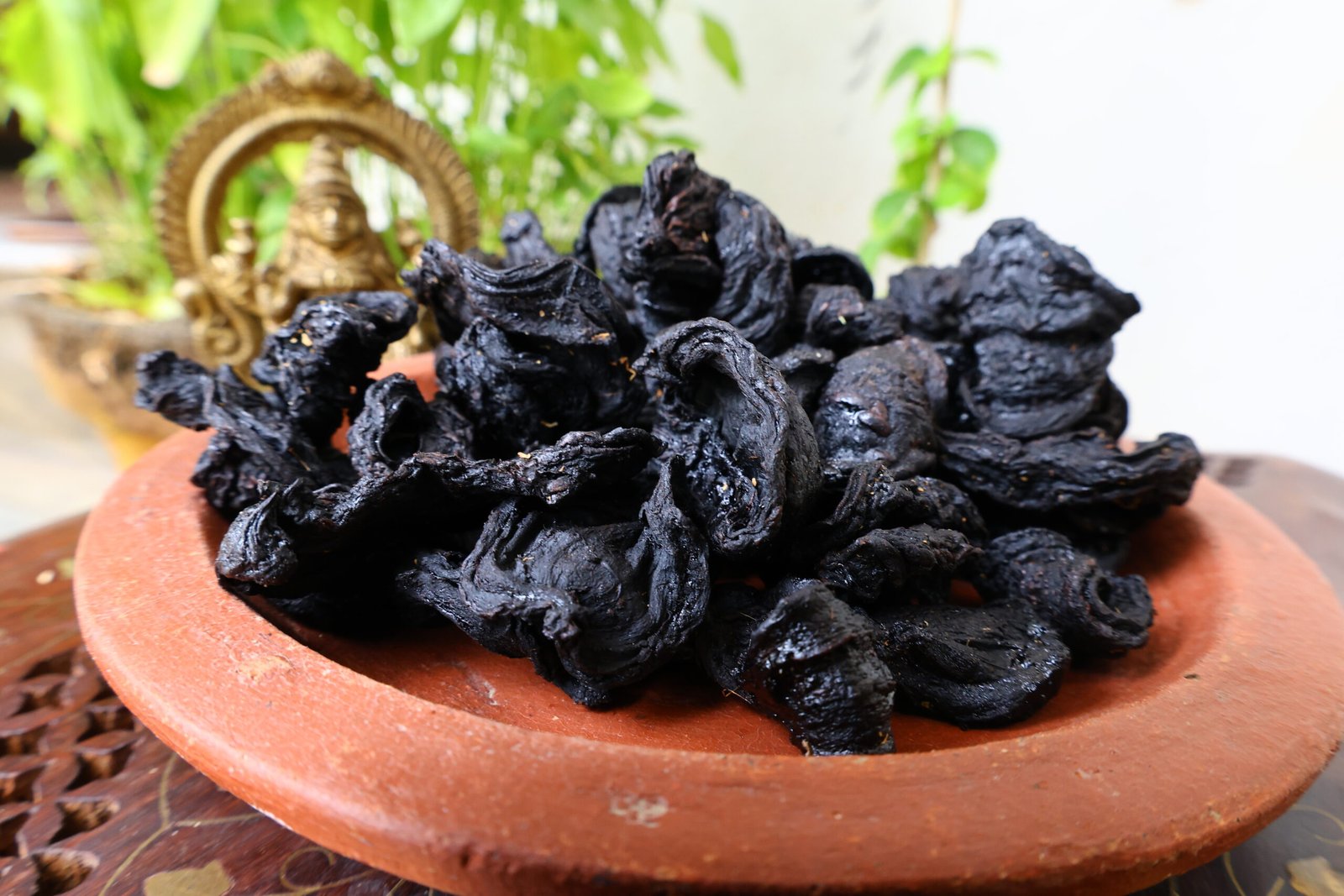
Kudampuli rarely draws attention at first glance. Small, dark, and wrinkled after drying, it might seem like just another souring ingredient. But in the coastal kitchens of South India, this humble fruit carries generations of food wisdom. Known as Malabar tamarind, Kudampuli has long been valued not only for its distinctive sourness but also for the depth and balance it brings to traditional cooking.
The fruit grows on a tree that thrives along the forest edges and homesteads of the Western Ghats. Each year, with the arrival of the monsoon, the trees quietly bear their harvest. The fruits ripen into a bright yellow or orange colour, and once collected, their thick rind becomes the treasured part used in cooking.
Traditionally, the rind is carefully separated and dried slowly under the sun. In many places, it is then gently cured to develop its deep colour and characteristic smoky aroma. This simple, patient process transforms the fresh fruit into the dark Kudampuli that finds its way into kitchens throughout the year.
For generations, Kudampuli has been closely associated with coastal cooking, especially fish curries. Its sourness is different from that of regular tamarind — deeper, rounder, and slightly smoky. When simmered slowly in a curry, even a small piece releases a flavour that enriches the entire dish. Many traditional cooks also valued Kudampuli for its natural acidity, which helped fish curries stay fresh longer before refrigeration became common.
At Yaadhum, the Kudampuli we source follows these same traditional practices. The fruits are harvested seasonally, the rinds are sun-dried with care, and no artificial processing or chemicals are involved. What reaches your kitchen is simply the fruit of a tree, shaped by sun, rain, and time.
Cooking with Kudampuli is simple but thoughtful. A small piece is usually rinsed or soaked briefly in warm water before being added to curries. As it simmers, it slowly releases its flavour, lending both sourness and depth. It pairs especially well with fish, but it can also enrich certain vegetable stews and traditional gravies.
What makes Kudampuli special is not just its taste, but the rhythm behind it. The tree fruits only once a year, the drying takes patience, and the flavour develops slowly in the pot. It reflects a time when food followed seasons, and ingredients were valued for their natural character rather than convenience.
When a piece of Kudampuli enters a pot of curry, it carries more than flavour. It carries the memory of monsoon harvests, the quiet work of farmers and home processors, and the long tradition of coastal kitchens that knew how to turn simple ingredients into deeply satisfying meals.
In many ways, Kudampuli reminds us of something simple yet important — that the most meaningful flavours are often the ones shaped slowly by nature, season, and care.
