Description
Rajamudi Rice – The Royal Heritage Grain of South India
Rajamudi Rice is a traditional red rice variety with a rich royal history. The name Rajamudi translates to “the king’s crown”, symbolising its association with the royal kitchens of the Mysore Kingdom. This rice was historically cultivated exclusively for the Wodeyar dynasty and was not made available to the general public, making it one of the most treasured heritage grains of South India.
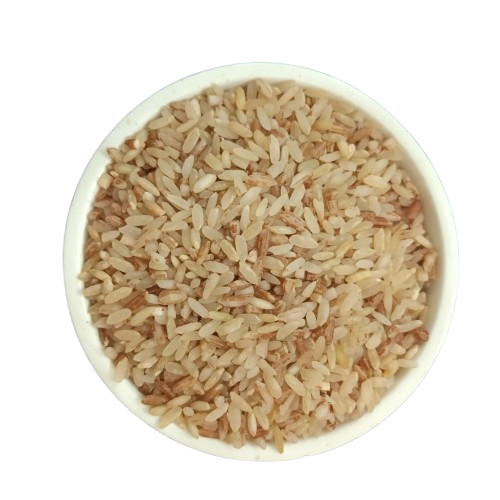
Rajamudi Rice is easily recognised by its distinct reddish-brown bran, bold grains, and earthy aroma. Unlike polished white rice, Rajamudi is consumed in its unpolished form, retaining its natural fibre and nutrients. Once cooked, the rice turns soft with a slightly chewy texture and a deep, wholesome flavour that reflects its traditional roots.
Traditionally, Rajamudi Rice was considered a symbol of strength, nourishment, and abundance, served to royalty and warriors for sustained energy and endurance.
Cultivation of Rajamudi Rice
Rajamudi Rice thrives in tropical climatic conditions with moderate rainfall and fertile soil. It is primarily cultivated in parts of Karnataka, especially around Mysuru and surrounding regions. The crop requires a growing period of 140 to 160 days, allowing the grains to mature fully and develop their characteristic nutrition and flavour.
This rice is cultivated using indigenous seeds and natural farming practices, without chemical fertilisers or pesticides. Farmers rely on traditional knowledge, organic manure, and rain-fed irrigation. Since Rajamudi Rice is not a high-yield variety, its cultivation is labour-intensive and limited in scale, making it a rare and valued grain.
Benefits of Rajamudi Rice
Provides sustained energy & stamina
Rajamudi Rice releases energy slowly, making it ideal for physically active individuals and long working days.
Improves digestion
The fibre-rich bran supports smooth digestion and healthy bowel movement.
Supports heart health
Being unpolished and naturally rich in nutrients, it helps maintain healthy cholesterol levels when consumed as part of a balanced diet.
Strengthens muscles & bones
Traditionally believed to support muscle strength and skeletal health.
Balances body heat
This rice has a grounding nature that helps regulate internal body heat.
Enhances overall vitality
Regular consumption supports endurance, immunity, and general wellbeing.
Best Buy Strategy
When choosing Rajamudi Rice, look for grains with a natural red to reddish-brown colour and intact bran. Avoid rice that appears overly polished or artificially treated. Fresh Rajamudi Rice has a mild earthy aroma and should be free from moisture, insects, or fungal growth.
As a traditional, minimally processed rice, it is best purchased in moderate quantities and consumed fresh to retain its nutritional value.
Nutrients of Rajamudi Rice
A ¼ cup of uncooked Rajamudi Rice (approximately ½ cup cooked) provides:
-
Calories: ~165–175
-
Carbohydrates: ~36–38 g
-
Protein: ~4–5 g
-
Fiber: ~3–4 g
-
Iron: Naturally present
-
Magnesium & Zinc
-
Low sodium
(Nutrient values may vary depending on soil and cultivation conditions.)
Storage of Rajamudi Rice
Uncooked Rajamudi Rice should be stored in a cool, dry place in an airtight container. It can be stored safely for up to 6 months. For longer storage, refrigeration or freezer storage is recommended.
Cooked rice can be refrigerated in an airtight container and consumed within 2–3 days.
Extensive Cultivation In
-
Karnataka (Mysuru and surrounding regions)
-
Select traditional farming belts
(Cultivated in limited quantities using native seeds.)
How to Eat Rajamudi Rice
Rajamudi Rice is best enjoyed in traditional South Indian meals, allowing its natural flavour to stand out.
Use a pressure cooker
-
Wash and soak the rice for 6–8 hours.
-
Use 1:2.5 water ratio.
-
Pressure cook for 4–5 whistles and allow natural pressure release.
Use Open Pot Method
-
Soak for 8 hours.
-
Cook in excess water until grains turn soft.
-
Drain excess water and serve warm.
Dishes Made with Rajamudi Rice
-
Traditional meals with sambar & poriyal
-
Soft rice kanji
-
Vegetable khichdi
-
Curd rice
-
Royal-style festive meals